
 Neurology
Epilepsy


Epilepsy is a common health condition worldwide, and regardless of the fact that it can be managed in most of the cases, it’s a tiring condition that reduces the patient’s quality of life and might lead to numerous problems.
Epilepsy
Epilepsy is a chronic disorder that causes recurrent seizures as a result of a problem in the brain’s electrical signals in addition to other symptoms. Normally, the brain cells send and receive messages from the whole body through continuous electrical impulses, but in the case of epilepsy there is a problem in the transmission pattern of these impulses, and this leads to the epileptic symptoms.
Epilepsy is divided into two main types:
Focal onset seizures
It starts in one area in the brain and one side of it and has two types:
- Focal onset aware seizure: it means that the patient is aware when it occurs, and it causes changes in the senses and emotions, some uncontrollable movements, and seeing lights.
- Focal onset impaired awareness seizure: the patient loses consciousness during it, and it might cause staring and repetitive movements, such as eye blinking and lip-smacking.
Generalized onset seizures
It affects large areas in both sides of the brain and has six types:
- Absence seizures: they cause staring with some mild repetitive movements and last for seconds.
- Atonic seizures: they mean losing muscle control or muscle weakness during the seizure, such as eye or head drooping, and they usually last less than 15 seconds.
- Tonic seizures: they mean a great increase in the muscle tone, and they cause muscle stiffness in a part of or the whole body, which leads to falling, and they usually last less than 20 seconds.
- Clonic seizures: repeating muscle stiffness and relaxing episodes that come and go rapidly; each episode might last one or two minutes.
- Tonic-clonic seizures: a combination of muscle stiffness with repetitive stiffness movements.
- Myoclonic seizures: they cause shock-like muscle twitches or muscle jerks.
Causes of epilepsy
About 70% of the epilepsy cases causes are unknown, and some of the causes are:
- Genetics.
- Head injuries.
- Problems in the brain, such as tumors, dementia, stroke, and blood vessel problems.
- Brain infections.
- Mesial temporal sclerosis, which is an inner scar in the temporal lobe in the brain.
- Developmental disorders, such as brain abnormalities that affect the brain.
- Some immune disorders.
Seizure triggers
- Stress.
- Alcohol and illegal drugs.
- Illness and fever.
- Flashing lights.
- Sleep disorders.
- Hormonal changes during the menstrual cycle.
- Dehydration.
- Physical overexertion.
- Not having all the necessary nutrients.
- Not using anti-seizure medications correctly.
Symptoms of epilepsy
The symptoms differ depending on the type, and in general they include the following:
- Temporary loss of consciousness.
- Staring.
- Temporary confusion.
- Muscle stiffness.
- Uncontrolled movements.
- Repetitive movements.
- Problems in speaking and understanding.
- Upset stomach.
- Increased heartbeat.
- Increased breaths.
- Fear and anxiety.
Complications of epilepsy
- Falling and accidents.
- Pregnancy problems.
- Status epilepticus, which is a seizure that lasts for 5-30 minutes or several seizures that occur closely together, and it’s an emergency condition.
- Memory loss.
- Sudden unexplained death in epilepsy.
Diagnosis of epilepsy
- Specific neurological and brain tests.
- Imaging tests.
- Blood tests.
Treatment of epilepsy
- Antiseizure medications.
- Therapies to stimulate the brain by using specific devices.
- Epilepsy surgery.


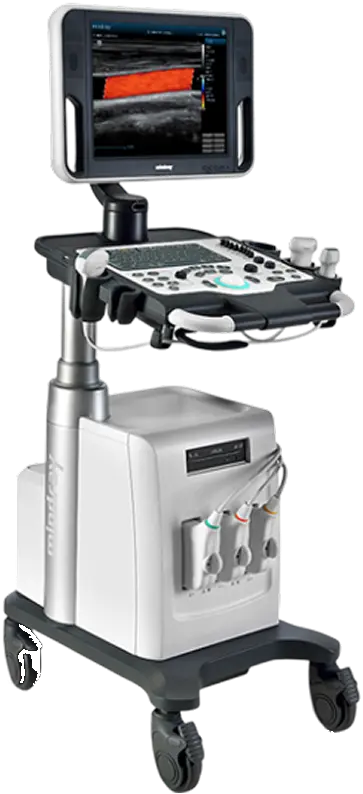
DC-30
Diagnostic Ultrasound system
 Syria _ Damascus _ Al-Rawda
Frequently asked questions about Epilepsy
What is the topic of Epilepsy?
Epilepsy : Epilepsy is a common health condition worldwide, and regardless of the fact that it can be managed in most of the cases in Syria on Doctors.sy.
What medical category is Epilepsy in?
Epilepsy is categorized under Neurology on Doctors.sy in Syria.
Where can I find specialists related to Epilepsy?
To find doctors and facilities specializing in Neurology in Syria, see suggested providers on this article page or Click here
Does Epilepsy include medical references?
Yes, Epilepsy includes 1 medical reference(s) in the references section below the article on Doctors.sy.
What is Epilepsy?
Epilepsy is a chronic disorder that causes recurrent seizures as a result of a problem in the brain’s electrical signals in addition to other symptoms. Normally, the brain cells send and receive messages from the whole body through continuous electrical impulses, but in the case of epilepsy there is a problem in the transmission pattern of these impulses, and this leads to the epileptic symptoms.
What is Causes of epilepsy?
About 70% of the epilepsy cases causes are unknown, and some of the causes are:
What is Symptoms of epilepsy?
The symptoms differ depending on the type, and in general they include the following:
Where can I read more articles about Neurology?
You can read related Neurology articles at the bottom of this page or browse more on Doctors.sy: Click here


DC-30
Diagnostic Ultrasound system
Syria _ Damascus _ Al-Rawda Dr. Samer Khattab ClinicNeurosurgeryNeurosurgery
 Syria - Dimashq, Baghdad Street ....Open929 M1.12 Min114
 Damascus Hospital - Al MoujtahedGeneral,General SurgeryGeneral,General SurgerySyria - Dimashq, Al Moujtahed....Open1.57 KM1.89 Min2151
 Dr. Ahmad Khaled Taji ClinicNeurology,PsychiatryNeurology,PsychiatrySyria - Dimashq, Al-Afif - Shura....Open2.87 KM3.45 Min1195