
 Neurology
Stroke


Stroke is a life-threatening condition; therefore, we must have the main information about it in order to help the patient immediately in case it happens.
Stroke
Stroke is a problem in the blood flow in the brain, which prevents the oxygen from reaching the brain, and this leads to severe complications and death in many cases. Stroke could occur in any person regardless of their age, but it’s more common in people older than 65 years old.
Stroke is the second most common cause of death and one of the main reasons for disabilities worldwide.
There are two types of strokes:
- Ischemic stroke: it’s the most common and includes about 80% of stroke cases. Ischemic strokes occur when the blood doesn’t flow enough through the blood vessel due to several reasons, such as a blood clot or a fragment of it, a blockage in a small blood vessel due to chronic and uncontrolled hypertension, high blood cholesterol, or type 2 diabetes, and sometimes ischemic strokes could occur without a clear reason.
- Hemorrhagic stroke: it occurs in two cases, either inside the brain when a blood vessel ruptures or in the space between the brain and the outer cover (arachnoid membrane).
Causes and risk factors leading to stroke
Ischemic stroke causes: clotting disorders, atherosclerosis, some heart defects like atrial or ventricular septal defect, atrial fibrillation, especially when it occurs because of sleep apnea, and microvascular ischemic disease.
Hemorrhagic stroke causes: uncontrolled high blood pressure, brain aneurysms, brain tumors and cancers, and some diseases that affect the blood vessels in the brain.
Some factors that increase the risk of strokes:
- Obesity.
- Not being active.
- Smoking and tobacco products.
- Excessive alcohol consumption.
- Recreational drugs.
- Family history.
- Having other diseases, such as type 2 diabetes, hypertension, high blood cholesterol and triglycerides, obstructive sleep apnea, cardiovascular diseases, and migraine.
Symptoms of stroke
- Weakness or paralysis in one side of the body.
- Slurred speech.
- Aphasia (difficulty speaking not being able to talk).
- Sudden loss in one or more of the senses (smell, vision, taste, touch, and hearing).
- Headache.
- Neck stiffness.
- Difficulty walking.
- Nausea and vomiting.
- Fainting.
Complications of stroke
- Temporary or permanent paralysis.
- Thinking and memory problems.
- Speaking and swallowing problems.
- Pain and numbness in the organs that got affected with the stroke.
- Coma.
Diagnosis of stroke
In case a person is having a stroke, you must know what to do to help them immediately:
- Ask the person to smile to know whether there’s a drooling in one or two sides of the face.
- Ask the person to move their arms or legs to find out whether there’s a weakness or paralysis in one side of the body.
- Ask the person to speak to find out whether there is a slurred speech or aphasia.
- If you see these signs, talk with the emergency immediately.
The diagnosis is done by:
- Physical examination.
- Imaging tests.
- Blood tests.
Treatment of stroke
- The treatment depends on the case by using specific medications or surgery in some cases.
- The patient should enroll in a rehabilitation program in case they suffer from a long-term effects dur to the stroke, such as physical therapy, speech and behavioral therapy, and others.
Prevention of stroke
The risk of strokes can be decreased by:
- Managing other disorders, if any.
- Following a healthy lifestyle.
- Losing weight if needed.
- Avoiding smoking and excessive alcohol consumption.
- Managing stress.
- Sleeping well.


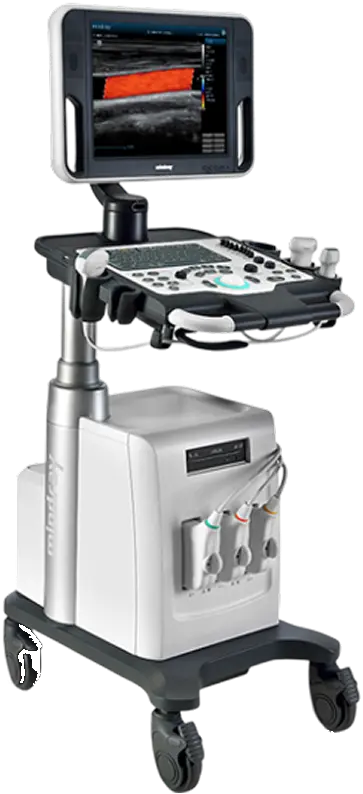
DC-30
Diagnostic Ultrasound system
 Syria _ Damascus _ Al-Rawda
Frequently asked questions about Stroke
What is the topic of Stroke?
Stroke : Stroke is a life-threatening condition, therefore, we must have the main information about it in order to help the patient in Syria on Doctors.sy.
What medical category is Stroke in?
Stroke is categorized under Neurology on Doctors.sy in Syria.
Where can I find specialists related to Stroke?
To find doctors and facilities specializing in Neurology in Syria, see suggested providers on this article page or Click here
What is the scientific name related to Stroke?
Scientific name related to this article: الجلطة الدماغية.
Does Stroke include medical references?
Yes, Stroke includes 1 medical reference(s) in the references section below the article on Doctors.sy.
What is Stroke?
Stroke is a problem in the blood flow in the brain, which prevents the oxygen from reaching the brain, and this leads to severe complications and death in many cases. Stroke could occur in any person regardless of their age, but it’s more common in people older than 65 years old.
What is Causes and risk factors leading to stroke?
Ischemic stroke causes: clotting disorders, atherosclerosis , some heart defects like atrial or ventricular septal defect, atrial fibrillation, especially when it occurs because of sleep apnea , and microvascular ischemic disease.
What is Diagnosis of stroke?
In case a person is having a stroke, you must know what to do to help them immediately:


DC-30
Diagnostic Ultrasound system
Syria _ Damascus _ Al-Rawda Dr. Samer Khattab ClinicNeurosurgeryNeurosurgery
 Syria - Dimashq, Baghdad Street ....Open929 M1.12 Min111
 Damascus Hospital - Al MoujtahedGeneral,General SurgeryGeneral,General SurgerySyria - Dimashq, Al Moujtahed....Open1.57 KM1.89 Min2123
 Dr. Ahmad Khaled Taji ClinicNeurology,PsychiatryNeurology,PsychiatrySyria - Dimashq, Al-Afif - Shura....Open2.87 KM3.45 Min1184